
Attention-seeking at fitness centres

In an era where gym memberships are rising but overall physical activity levels remain concerningly low, a new debate has emerged that cuts to the heart of modern fitness culture. Planet Fitness’s recent ban on “scrunchbum” shorts—form-fitting attire designed to accentuate the buttocks—has sparked a broader conversation about whether gyms have become stages for attention-seeking behaviour rather than sanctuaries for genuine health improvement.
The Shorts That Started a Movement
The controversy began when Planet Fitness implemented a dress code prohibiting the increasingly popular scrunchbum shorts, citing their “intimidating” nature and potential to make other gym-goers uncomfortable. These garments, characterised by ruched fabric that creates an enhanced silhouette, have become ubiquitous in fitness spaces—but not everyone is there to admire them.
According to the Daily Mail report, the ban has divided opinion sharply. Supporters argue that such clothing serves no functional purpose for exercise and exists purely to draw attention. Critics claim the policy unfairly targets women and their clothing choices. But perhaps both sides are missing the larger question: has the gym become less about fitness and more about being seen?
The Distraction Dilemma
For many gym-goers, the proliferation of attention-seeking behaviour represents a genuine obstacle to their fitness goals. When individuals are more focused on capturing the perfect angle for social media or ensuring they’re noticed by others, they create an environment that can be uncomfortable, distracting, and ultimately counterproductive for those genuinely trying to improve their health.
Consider the person who came to the gym after a long day at work, mustering the motivation to exercise despite fatigue and self-consciousness. They’re confronted with someone performing exaggerated movements, filming themselves repeatedly, or wearing clothing clearly designed to attract attention. The psychological barrier to fitness just got higher.
This matters because we’re facing a public health crisis. Physical inactivity contributes to numerous chronic diseases, yet gym attendance doesn’t automatically translate to meaningful exercise. When fitness spaces become performative rather than functional, we risk alienating the very people who need them most—those who are intimidated, self-conscious, or simply trying to focus on their own health journey.
Performance Masquerading as Exercise
The issue extends beyond clothing to certain exercise modalities themselves. Performance-based dance classes, for instance, occupy an ambiguous space between fitness and entertainment. While marketed as workouts, many seem designed primarily to teach movements that look impressive rather than movements that build strength, endurance, or cardiovascular health.
These classes often emphasise:
Choreography that translates well to video content
Movements designed to be visually striking rather than physically challenging
Routines optimised for social media shareability
Aesthetic appeal over functional fitness outcomes
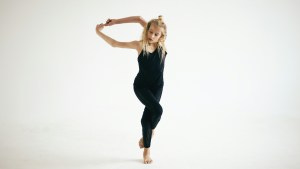
The question becomes: are participants genuinely working out their bodies, or are they practising to move in ways that garner attention—whether from fellow gym members, audiences at performances, or followers on Instagram and TikTok?
The Narcissism Epidemic in Fitness Spaces
What we’re witnessing may be symptomatic of a broader cultural shift where narcissistic traits are being exercised more vigorously than muscles. The gym has transformed from a place of personal improvement into a stage for self-promotion, where the workout itself becomes secondary to documenting and displaying it.
This manifests in several ways:
Excessive mirror-checking and posing between sets
Filming workouts from multiple angles, often requiring equipment monopolisation
Wearing clothing designed primarily for aesthetic impact rather than function
Performing exercises chosen for their visual appeal rather than effectiveness
Prioritising appearance-based goals over health and functional fitness
The Social Media Amplification Effect
Social media platforms have fundamentally altered the psychology of gym attendance. What was once a private pursuit of health has become a public performance opportunity. The dopamine hit from likes and comments can become more rewarding than the endorphins from actual exercise.
This creates a perverse incentive structure where attention-seeking behaviour is rewarded, while quiet, consistent effort goes unnoticed. The person doing unglamorous but effective exercises in functional clothing doesn’t generate content. The person in eye-catching attire performing photogenic movements does.
Who Suffers?
The casualties of this attention economy are numerous:
Beginners who feel intimidated by the performative atmosphere and never return
Serious athletes who find their training disrupted by people treating equipment as props
Those with body image issues who feel judged in spaces that should be judgment-free
Let’s keep fitness centres a place for exercise, and keep away from making it a place for attention-seeking.
References
Photo by Rajesh Rajput on Unsplash
People are calling for these ‘attention-seeking’ shorts to be banned from gyms
Calls to ban popular gym outfit divides Aussies: ‘Throw that trend out the door’
Gym-goers are calling for ‘attention-seeking’ shorts to be banned in 2026